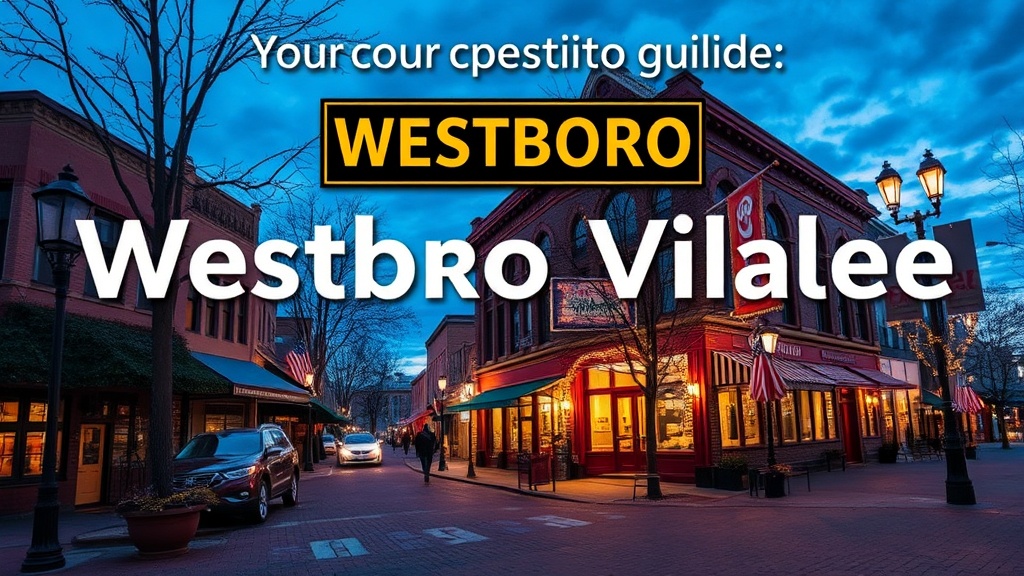
Your Complete Guide to Westboro Village in Ottawa

What Makes Westboro Village Worth Visiting?
Westboro Village delivers Ottawa's most walkable blend of independent boutiques, serious coffee culture, and riverside green space—all packed into a tight grid just west of the downtown core. This guide covers where to eat, what to do, how to get around, and why locals keep this neighbourhood at the top of their weekend rotation. Whether you're house-hunting, planning a day trip, or just curious about what makes this strip different from Wellington West or the Glebe, you'll find practical answers here.
Where Exactly Is Westboro Located?
Westboro sits roughly between Island Park Drive to the east and Woodroffe Avenue to the west, with Richmond Road running through its commercial heart. The Ottawa River forms its northern border. You're looking at about a 10-minute drive from Parliament Hill, or a quick hop on the Transitway (now the O-Train Line 1) to Tunney's Pasture station.
The neighbourhood boundaries matter because "Westboro" gets used loosely. Real estate agents stretch the label west toward Lincoln Fields. Locals don't. The actual village feel—that dense stretch of shops, patios, and foot traffic—clusters between Churchill Avenue and Denbury Avenue along Richmond Road. Everything else is residential spillover.
The area sits on unceded Algonquin territory, like the rest of Ottawa. The name itself comes from a subdivision plan filed in the 1870s, though the area remained largely rural until streetcar lines reached Richmond Road in the 1920s. That history still shows in the mix of low-rise commercial buildings and early 20th-century homes behind the main strip.
Getting There and Around
Parking can frustrate first-time visitors. Richmond Road has metered street parking and a handful of small lots, but they fill fast on Saturday mornings. Here's the thing: Westboro rewards those who arrive by foot, bike, or transit.
- OC Transpo: Line 1 stops at Tunney's Pasture. Routes 11 and 16 run along Richmond Road itself.
- Cycling: The Sir John A. Macdonald Parkway bike path dumps you right into the neighbourhood. The path runs parallel to the Ottawa River and connects to the broader Capital Pathway network.
- Walking: If you're staying downtown, it's a pleasant 30-minute walk across the Portage Bridge, then west along the parkway.
Once you're there, everything sits within a few blocks. You won't need a car to hop between coffee shops, browse the boutiques, or grab dinner. That walkability explains the stroller density on weekends—and why locals treat their "village" as a self-contained world.
What Are the Best Restaurants and Cafes in Westboro?
The dining scene punches above its weight for a neighbourhood this size. You'll find everything from proper Neapolitan pizza to upscale tasting menus, plus what might be Ottawa's highest concentration of third-wave coffee roasters per square kilometre.
Coffee Worth Crossing Town For
Westboro helped spark Ottawa's coffee renaissance. Several roasters operate within blocks of each other, each with distinct vibes.
Equator Coffee (412 Churchill Avenue North) roasts in Almonte but built its reputation here. The Westboro location occupies a bright, plant-filled space with communal tables and serious espresso equipment. Their seasonal single-origin program rotates monthly. The catch? It gets packed by 10 a.m. on weekends. Arrive early or expect a wait.
Happy Goat Coffee Company (35 Rochester Street) takes a more eclectic approach. The space feels lived-in—vintage furniture, local art, the occasional acoustic set. Their espresso blends lean chocolatey and crowd-pleasing rather than acidic and challenging. It's where freelancers camp out with laptops for hours.
Bridgehead (multiple locations along Richmond) remains the local chain that locals still frequent. The original fair-trade mission, the distinctively Ottawa branding, the reliable quality—it all keeps Bridgehead relevant even as independents multiply. The Richmond Road location has a rooftop patio that catches afternoon sun perfectly.
Dining Options by Occasion
| Occasion | Restaurant | What to Order | Price Range |
|---|---|---|---|
| Casual weeknight | Fauna | Rotating small plates, natural wine | $$ |
| Date night | Gezellig | Dutch-inspired tasting menu | $$$ |
| Family dinner | Pub Italia | Beer Bible pizzas, patio seating | $$ |
| Quick lunch | Allium | Sandwiches, house-made charcuterie | $ |
| Special occasion | Supply and Demand | Oysters, handmade pasta, whole fish | $$$ |
Supply and Demand deserves particular mention. The narrow dining room on Preston Street (technically just outside Westboro's core, but walking distance) has maintained its standards since opening in 2012. The oysters come from both coasts, rotated daily. The pasta—made in-house throughout service—changes with the seasons. Reservations aren't optional on weekends.
That said, Westboro's food scene isn't all high-end. The stretch of Richmond Road between Golden and Tweedsmuir holds a surprising number of affordable, unpretentious options. Tennessy Willems serves wood-fired pizza in a converted house. The Lansdowne Farmers' Market operates seasonally nearby, though Westboro locals more often hit the Parkdale Market for produce.
What Can You Do in Westboro Besides Eat and Shop?
Plenty—especially if you head north toward the river. The retail strip gets the attention, but the green space and recreational access separate Westboro from denser, more commercial neighbourhoods.
The Ottawa River Parkway
The Sir John A. Macdonald Parkway ( locals just call it "the parkway") runs along Westboro's northern edge. It's a four-lane commuter road with a separated multi-use path that handles thousands of cyclists and runners daily. The path connects to the broader Capital Pathway network, meaning you can ride from Westboro to the Champlain Bridge, Parliament Hill, or deep into Gatineau Park without touching a car-dominated street.
Worth noting: the parkway itself closes to vehicle traffic on Sundays from May through September, creating a massive linear park. The city calls it "Sunday Bikedays." Locals show up with kids, dogs, rollerblades—the whole scene. If you're visiting during those months, plan around it. The atmosphere shifts completely.
Westboro Beach
Yes, there's a beach. Westboro Beach sits at the foot of Churchill Avenue, accessible via a stairway from the parkway or a gentler path from Kitchissippi Lookout. It's not Caribbean water—this is the Ottawa River, after all—but on hot July days, it fills with swimmers, paddleboarders, and sunbathers. The National Capital Commission manages the facilities, including changing rooms and a seasonal canteen.
The water quality gets tested regularly. Most summer days, it's fine. After heavy rains, wait 24 hours before swimming.
Outdoor Gear and Active Culture
Westboro's retail mix reflects its active population. Bushtukah (the local outdoor gear institution) operates its flagship location here. Running Room hosts group runs from the store on Tuesday evenings. You'll see people walking down Richmond Road in hiking boots, ski jackets, or cycling kit—depending on the season—without a hint of self-consciousness.
This isn't performative outdoorsiness. These are people who actually use the gear. The Gatineau Park trailheads sit 20 minutes north by car. The river offers paddling access. Cross-country ski trails lace through the nearby Experimental Farm. The neighbourhood functions as a base camp for Ottawa's outdoor recreation.
What's the Housing Market Like in Westboro?
Expensive—and getting more so. Westboro consistently ranks among Ottawa's priciest neighbourhoods per square foot, competing with Rockcliffe Park and the Glebe for top honours.
The housing stock breaks down into three main categories:
- Pre-war homes: The early 20th-century houses on the residential streets behind Richmond Road. Many have been renovated beyond recognition. Original character homes in good condition command premiums.
- Mid-century bungalows: Post-war construction, often on larger lots. These increasingly face demolition for infill projects—either massive single-family replacements or, more commonly, low-rise condo developments.
- New condos: The dominant construction type along Richmond Road itself. Prices range from entry-level (by Ottawa standards) to luxury penthouses with river views.
The catch? You're paying for location and lifestyle, not square footage. A 900-square-foot condo here might cost what a detached home fetches in Kanata or Barrhaven. For buyers prioritizing walkability, transit access, and neighbourhood character, the trade-off makes sense. For families needing three bedrooms and a yard, Westboro requires serious money—or a willingness to compromise on space.
Rentals exist but turnover is low. Purpose-built rental buildings are rare; most stock comes from condo investors. Expect to pay $2,000+ for a one-bedroom in a newer building, significantly more for river views or ground-floor units with terraces.
Schools and Family Life
Westboro remains popular with young families despite the housing costs. Elmdale Public School and Broadview Public School serve the neighbourhood, both well-regarded within the Ottawa-Carleton District School Board. Nepean High School draws from the area for secondary students.
The family density shows in the streetscape—strollers, cargo bikes, playgrounds in nearly every park. Westboro Beach and McKellar Park function as communal backyards. On summer evenings, you'll see dozens of kids at the splash pads while parents cluster on benches with takeout coffee.
When Should You Visit Westboro?
Westboro works year-round, but the experience shifts dramatically by season.
Summer brings patios, the beach, and the Sunday parkway closures. It's the busiest, most energetic time. Parking gets tight. Reservations become necessary at popular restaurants. The neighbourhood feels like a destination.
Fall offers the most pleasant walking weather. The trees along Richmond Road turn spectacular. The outdoor patios stay open into October on mild days. It's when locals reclaim their neighbourhood from summer tourists.
Winter quiets things down considerably. Some patios convert to heated, tented spaces (the "winter patio" trend hit Westboro early). The cross-country ski community thrives. Shop local campaigns—like the Westboro Village BIA's holiday promotions—keep retail traffic steady through December.
Spring can feel sluggish. March and April bring mud, unpredictable weather, and a certain hangover from Ottawa's long winters. By May, though, the patios reopen and the energy returns.
Here's the thing about timing: Westboro rewards repeat visits. The neighbourhood changes character throughout the day, too. Morning means coffee lines and parents walking kids to school. Midday brings shoppers and remote workers. Evening shifts to restaurant crowds and date-night energy. Early mornings—before 8 a.m.—offer a peaceful window when you can actually hear birdsong over traffic.
"Westboro isn't trying to be hip. It just got there by being itself for a century."
The neighbourhood isn't perfect. The parking situation frustrates visitors. The housing prices exclude most first-time buyers. The retail mix has shifted toward higher-end national chains as rents climbed—though independent businesses still hold significant ground. Some longtime residents grumble about the "yuppification" that's transformed the area since the 1990s.
That said, Westboro delivers something increasingly rare: a genuinely walkable, mixed-use neighbourhood with strong transit, real green space, and a distinct identity. It functions as a complete community, not just a bedroom suburb or a shopping destination. You can live here without owning a car. You can raise kids, grow old, start a business, or retire here. The infrastructure supports actual urban life—not just the aesthetic of it.
Visit on a Saturday morning. Grab coffee at Equator, walk the parkway, browse the shops, have lunch at Allium. By then, you'll know whether Westboro's particular blend of urban convenience and Ottawa restraint speaks to you. For thousands of locals, it already does.