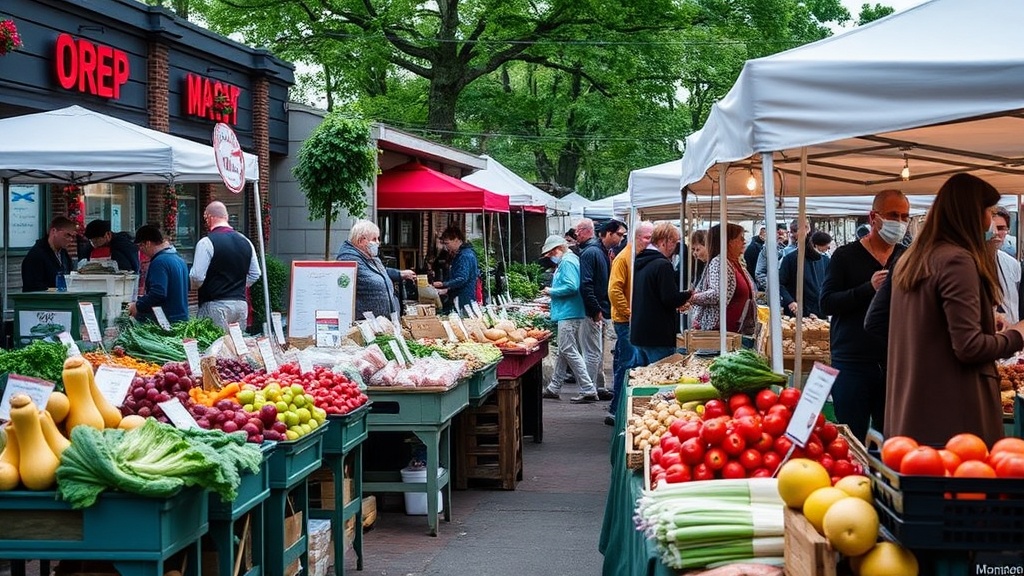
A Local Walk Through Westboro's Best Seasonal Farmers Markets

Imagine walking into a grocery store on a Tuesday morning and finding a carton of strawberries that tastes like cardboard. It’s a common frustration when the seasons shift and the supply chain struggles to keep up with local demand. This post explores the best seasonal farmers markets near Westboro, where you can find truly fresh, Ontario-grown produce and artisanal goods. We’ll look at where to shop, what to look for, and how to time your visits to get the best selection of seasonal items.
Shopping at a local market isn't just about buying vegetables; it's about connecting with the people who grow your food. In the Ottawa area, the seasonal rhythm dictates everything from what’s on the tables to when the stalls even open. If you miss the window for peak peach season or the early summer greens, you're out of luck until next year.
Where can I find the best seasonal produce near Westboro?
The Westboro Farmers' Market and the nearby Glebe Playfield market are your primary destinations for high-quality, local goods. While the Westboro market is a staple for our neighborhood, many residents also head to the larger markets in the Glebe or the ByWard Market for a wider variety of specialized vendors. Depending on the month, you might find everything from heirloom tomatoes to small-batch honey.
For those who want a more community-focused atmosphere, the Westboro Farmers' Market is unbeatable. It’s smaller, more intimate, and allows you to actually talk to the growers. You aren't just a customer here; you're a neighbor. If you want to pair your market haul with a great breakfast, you might want to check out these coffee shops for a quiet morning in Westboro before hitting the stalls.
Seasonal Product Availability Guide
Timing is everything. If you show up in November expecting fresh corn, you're going to be disappointed. Use this list to plan your shopping trips based on the Ontario growing season:
- Late Spring (May - June): Asparagus, radishes, salad greens, and fresh herbs.
- High Summer (July - August): Strawberries, blueberries, sweet corn, tomatoes, and cucumbers.
- Early Autumn (September - October): Apples, pumpkins, squash, and hardy greens like kale.
- Winter (November - April): Root vegetables (carrots, potatoes), preserved jams, and artisanal breads.
The goal is to eat with the seasons. It makes the food taste better (obviously) and supports the local agricultural industry in Ontario. It's a win-win for everyone involved.
What should I bring to a farmers market?
Always bring reusable bags and a bit of extra cash to ensure a smooth shopping experience. While many vendors now accept debit or credit through mobile readers, some smaller stalls—especially those selling single items like a bunch of flowers or a small jar of honey—might still be cash-only. It's better to be prepared than to be the person stuck at the front of the line while the vendor searches for change.
A sturdy, insulated bag is a real lifesaver if you're buying perishables like milk, cheese, or fresh seafood. You don't want your expensive local goat cheese melting in the back of your car on the drive home. Also, don't forget a reusable produce bag for your berries. It saves a lot of plastic waste and keeps your fruit from getting crushed.
| Item | Why You Need It |
|---|---|
| Reusable Totes | To carry heavy vegetables and bulk goods. |
| Insulated Bag | To keep dairy and meat-alternatives cold. |
| Small Change | For vendors who are cash-preferred. |
| Hand Sanitizer | To clean up after handling loose produce. |
If you're planning a bigger outing, you might want to pair your market visit with a walk through the neighborhood. Since you'll likely have a heavy bag of groceries, it's a good idea to know tips for exploring Westboro like a local so you can navigate the streets easily.
How much does a typical basket of produce cost?
Prices vary significantly depending on the item and the time of year, but expect to pay a premium compared to big-box grocery stores. You are paying for freshness, quality, and the direct support of a local farmer. For example, a pint of organic strawberries might be $6 at a supermarket, but at a local market, it might be $8. However, the flavor difference is night and day.
Here is a general breakdown of what to expect for common seasonal items in the Ottawa area:
- Fresh Herbs: $3 - $5 per bunch.
- Seasonal Berries: $5 - $8 per pint.
- Artisanal Bread: $6 - $10 per loaf.
- Organic Seasonal Vegetables: $3 - $6 per pound.
It's worth noting that buying in bulk—like a whole bag of apples or a large crate of tomatoes—can often bring the unit price down. This is a great way to prep for canning or making sauces later in the season. If you're looking for high-quality ingredients to cook with, these markets are the gold standard. You can even find specialized items like locally produced maple syrup or artisanal cheeses that you won't find in a standard grocery aisle.
One thing to keep in mind is that prices are highly volatile. A sudden frost or a heavy rainstorm can impact the supply of certain crops, causing prices to spike. This is part of the charm (and the reality) of seasonal farming. It's a living, breathing system.
The quality of the produce is often much higher because the "food miles" are drastically lower. Most of these items were likely harvested within the last 24 to 48 hours. This means the nutrients are at their peak. When you buy from a vendor, you're getting something that hasn't spent a week in a shipping container crossing the ocean. It's a massive difference in both nutrition and taste.
If you find yourself with a surplus of seasonal goods, don't let them go to waste. Many local recipes utilize whatever is available. If you have a lot of summer squash, look into roasting it. If it's autumn, maybe a hearty soup is the way to go. The seasonality of the market should guide your cooking just as much as your shopping.
The next time you head out to a market, take a moment to actually talk to the person behind the stall. Ask them how the crop is doing or what they recommend for a certain recipe. It turns a chore into a social experience. It's also a great way to learn more about the agriculture and food sectors in Ontario and how they actually operate on the ground.